ryo77160@gmail.com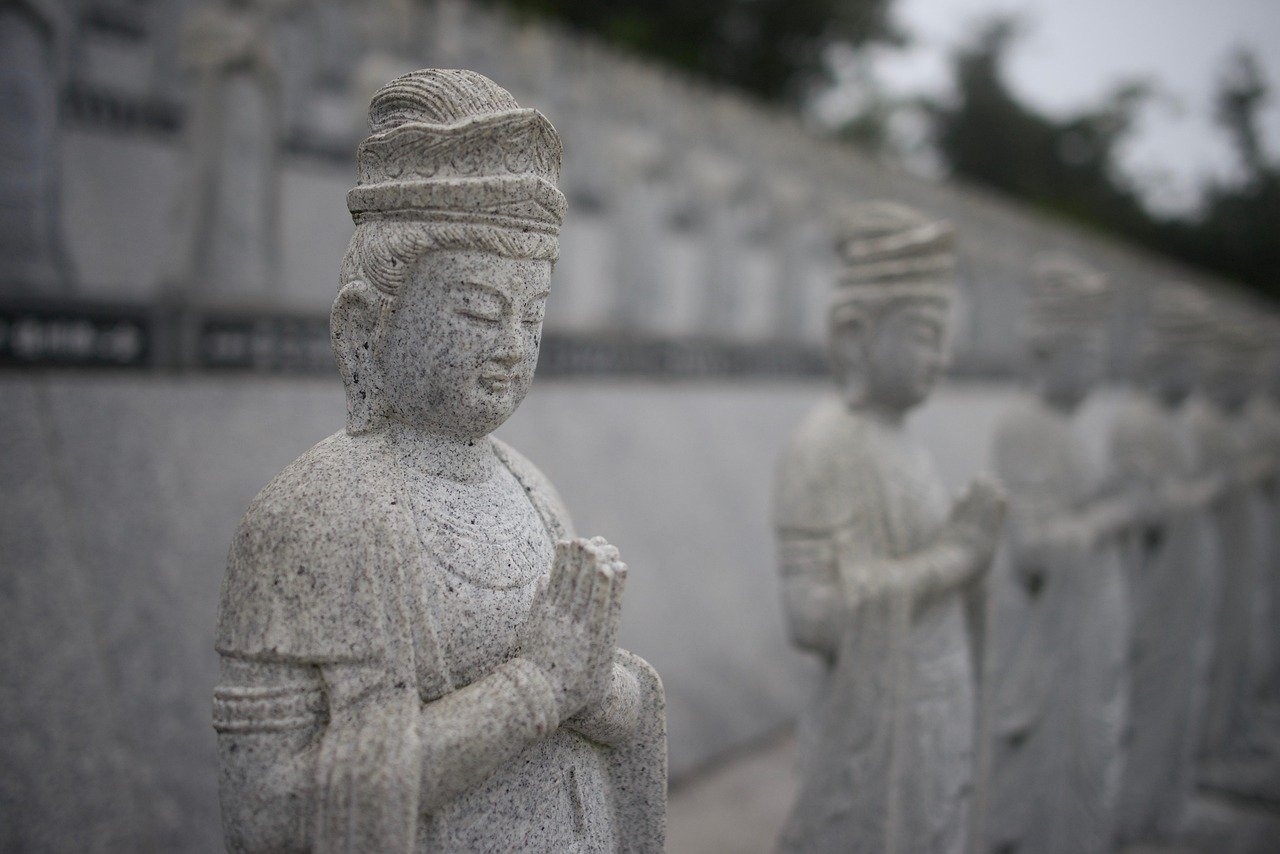
Japan is a country where ancient traditions and cutting-edge technology coexist in perfect harmony. From the elegance of tea ceremonies to the vibrant streets of Tokyo, Japanese culture is a rich blend of history, art, philosophy, and innovation. Whether you’re fascinated by its samurai heritage or obsessed with anime and sushi, Japanese culture continues to inspire and influence the world.
Let’s take a deep dive into the unique elements that make Japanese culture so fascinating and timeless.
1. Respect and Harmony: The Foundation of Society
One of the most essential values in Japanese culture is “Wa” (和) — meaning harmony. Japanese people are taught from a young age to respect others, avoid conflict, and value community over individualism.
Key Cultural Values:
- Respect for elders and authority
- Group harmony over individual opinion
- Politeness and humility in communication
- Bowing as a greeting and sign of respect
These values influence everything from business etiquette to daily life.
2. Traditional Arts and Aesthetics
Japanese traditional arts emphasize simplicity, beauty, and spiritual connection with nature.
Notable Traditional Practices:
- Tea Ceremony (茶道 – Sadō): A ritualized way of serving matcha tea that reflects mindfulness and elegance.
- Ikebana (Flower Arrangement): More than decoration — it’s a meditative art.
- Calligraphy (Shodō): Writing Japanese characters with brush and ink, focusing on beauty and flow.
- Origami: The delicate art of paper folding, expressing creativity and patience.
The traditional aesthetic principle of “Wabi-Sabi” values imperfection, transience, and the beauty of simplicity.
3. Japanese Cuisine: More Than Just Sushi
Japanese food is not only delicious but also deeply cultural, focusing on seasonality, presentation, and balance.
Popular Dishes:
- Sushi & Sashimi – Raw fish with rice and soy sauce
- Ramen – Noodle soup with endless regional variations
- Tempura – Lightly battered and fried seafood or vegetables
- Bento Boxes – Aesthetic, balanced lunch containers
- Kaiseki – A traditional multi-course dining experience
Japanese cuisine was recognized by UNESCO as an Intangible Cultural Heritage.
4. Religion and Spirituality
Japan is home to two major religions that often blend together: Shinto and Buddhism.
Shinto:
- The indigenous belief system of Japan
- Centers around kami (spirits) found in nature
- Rituals at shrines to purify and bless people and spaces
Buddhism:
- Introduced from China and Korea
- Focuses on enlightenment, karma, and rebirth
- Temples across Japan offer peaceful places for reflection
Most Japanese practice elements of both religions, visiting shrines for festivals and temples for funerals.
5. Pop Culture Powerhouse: Anime, Manga & J-Pop
Japan’s modern culture has taken the world by storm through its creative industries.
Global Cultural Exports:
- Anime – Japanese animated films and shows (e.g., Naruto, One Piece, Demon Slayer)
- Manga – Comic books that cover every genre from action to romance
- J-Pop and Idols – Japanese pop stars with devoted fanbases
- Video Games – Nintendo, Sony, and other companies made Japan a gaming superpower
- Fashion – Harajuku style, street fashion, and traditional kimono coexist
Youth culture in Japan is constantly evolving, influencing trends worldwide.
6. Festivals and Celebrations
Japan has a festival for almost everything, combining Shinto rituals with seasonal celebrations.
Famous Festivals:
- Hanami (Cherry Blossom Viewing) – Celebrated in spring across the country
- Gion Matsuri – A grand Kyoto festival with traditional floats
- Obon – Honors ancestors through lanterns and dances
- Tanabata – Wishes written on paper and hung on bamboo trees
- New Year (Shogatsu) – The most important holiday in Japan
Festivals showcase Japan’s vibrant community spirit and cultural pride.
7. Architecture: A Mix of Past and Future
Japanese architecture blends the traditional and the modern.
Traditional Elements:
- Tatami floors
- Sliding doors (shoji)
- Zen gardens
- Wooden temples and shrines
Modern Marvels:
- Tokyo’s skyscrapers and neon-lit districts
- Innovative eco-friendly buildings
- Futuristic design (like the Tokyo Skytree and Shibuya Scramble)
Even in the busiest cities, you’ll find tranquil gardens and historic temples nearby.
8. The Role of Nature in Japanese Life
Nature plays a central role in Japanese thought and daily life.
- Seasons are deeply appreciated — spring for cherry blossoms, autumn for maple leaves.
- Haiku poetry often reflects the natural world.
- People celebrate the beauty of impermanence (as seen in changing seasons or a falling flower).
From mountain shrines to rural rice fields, nature is never far from the Japanese experience.
Conclusion
Japanese culture is a rare combination of deep-rooted traditions and forward-thinking innovation. It teaches the world the value of respect, the beauty of simplicity, and the importance of living in harmony — both with people and with nature.
Whether you’re exploring a centuries-old temple, enjoying anime, or savoring a piece of sushi, you’re experiencing the rich cultural layers of Japan. This is what makes Japanese culture not just admired but loved across the world.